
Extraordinary Art Deco Elevator Designs From Around the World
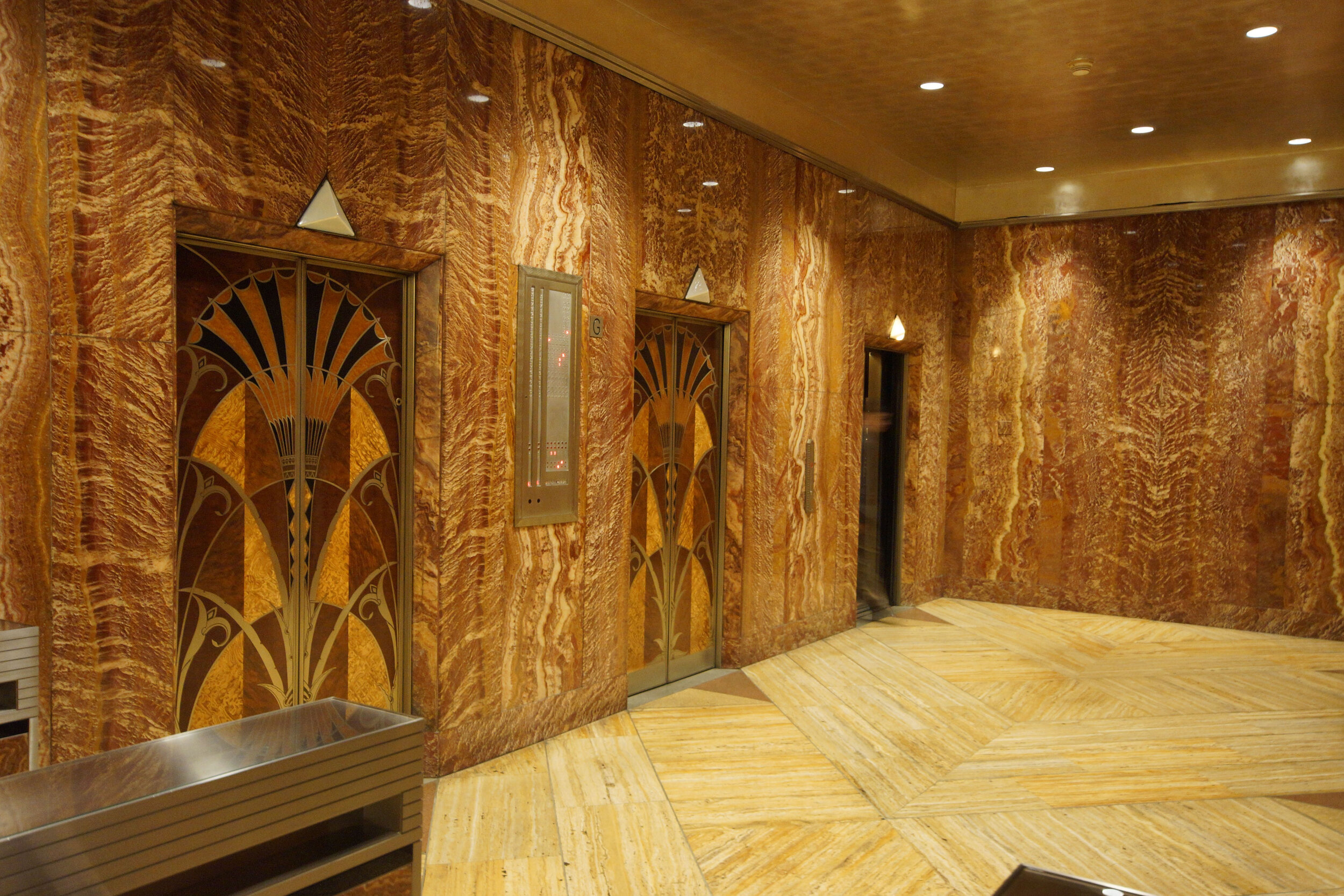
From the mid-1920s up until World War II, Art Deco in art and design gained global popularity. Originating in Europe and America, the style can be traced back to the Exposition Internationale des Arts Decoratifs et Industriels Modernes.
Architects and designers wanted to create a modern style better suited for the modern mechanical and industrial age marking. Art Deco celebrated movement and motion developed from what people saw as the aesthetics of the machine age. It was sleek and sophisticated, featuring smooth surfaces and bold colours in high contrasts like black and white.
The name ''Art Deco,'' by the way, comes from the title of that international show held in Paris back in 1925.


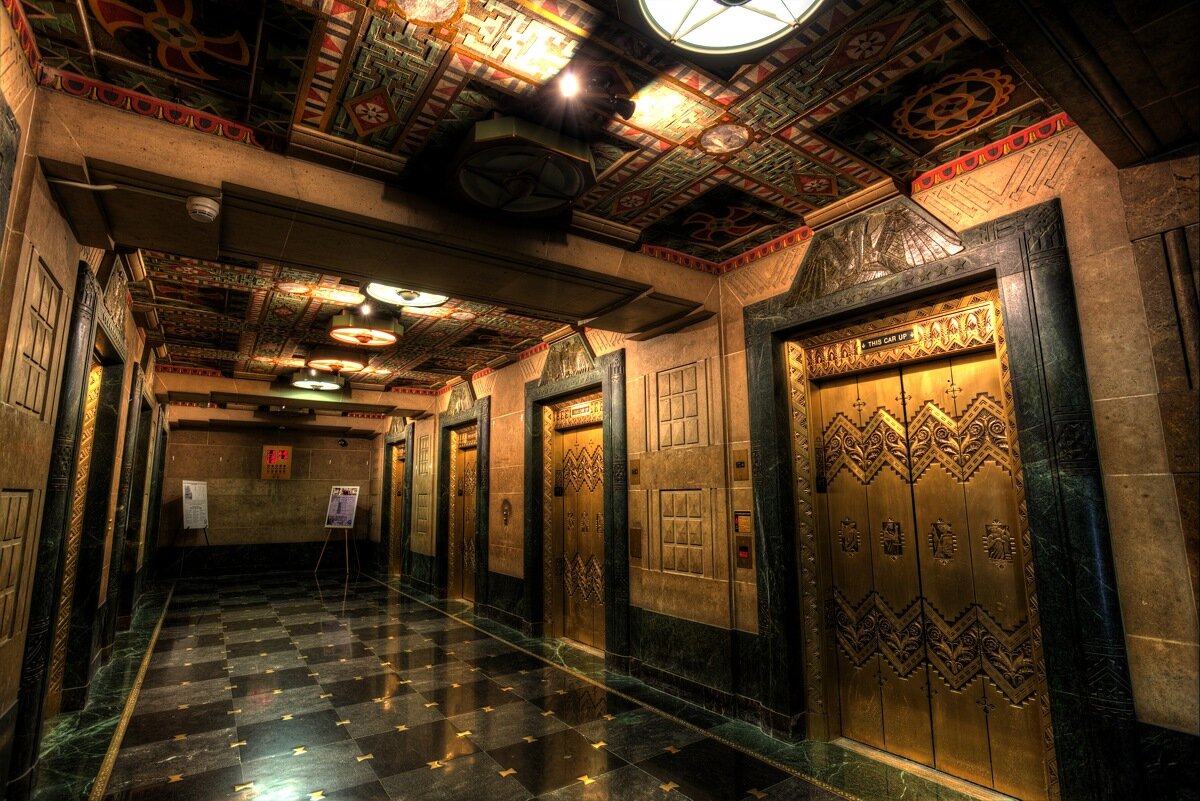

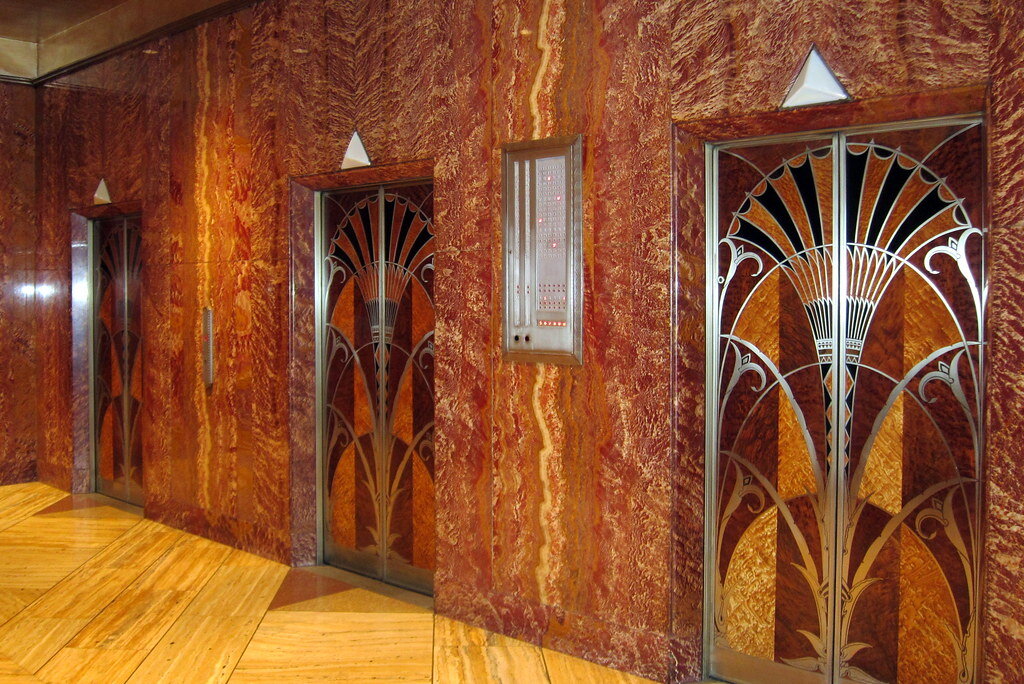


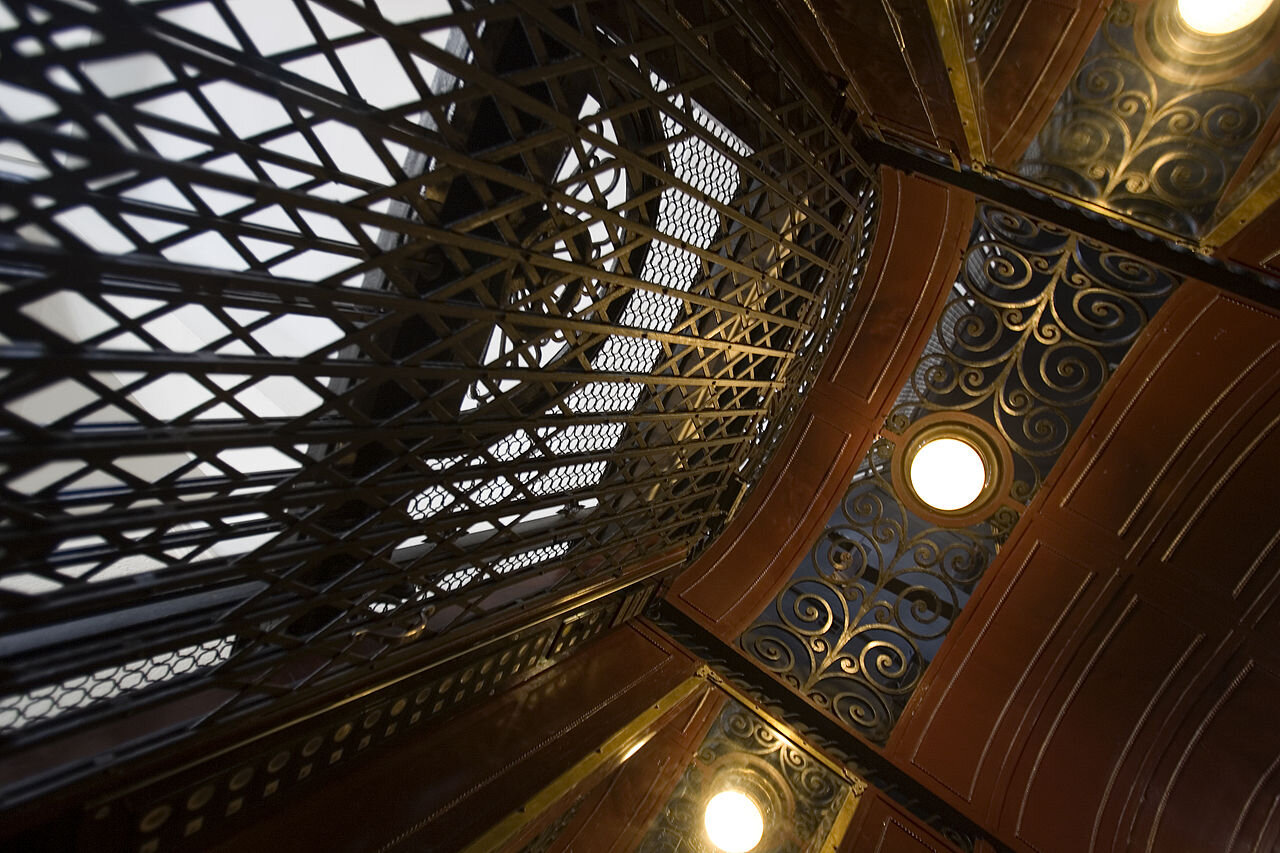


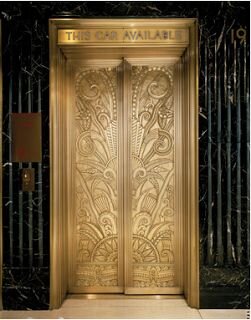
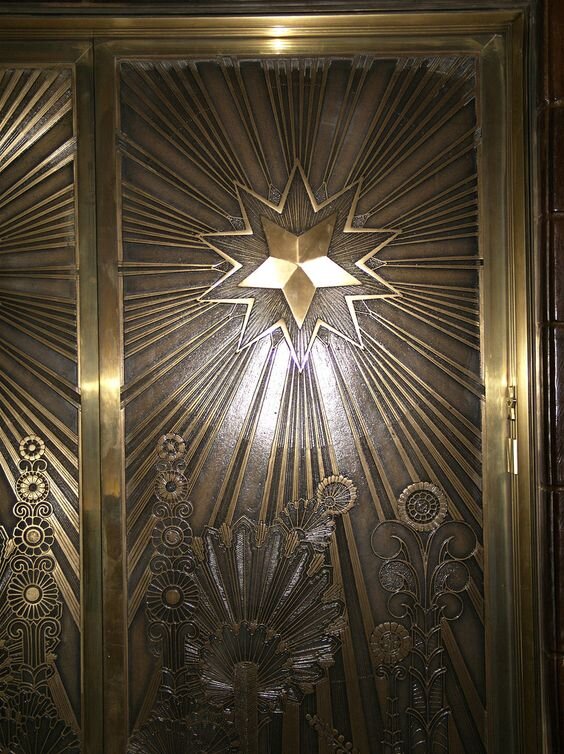
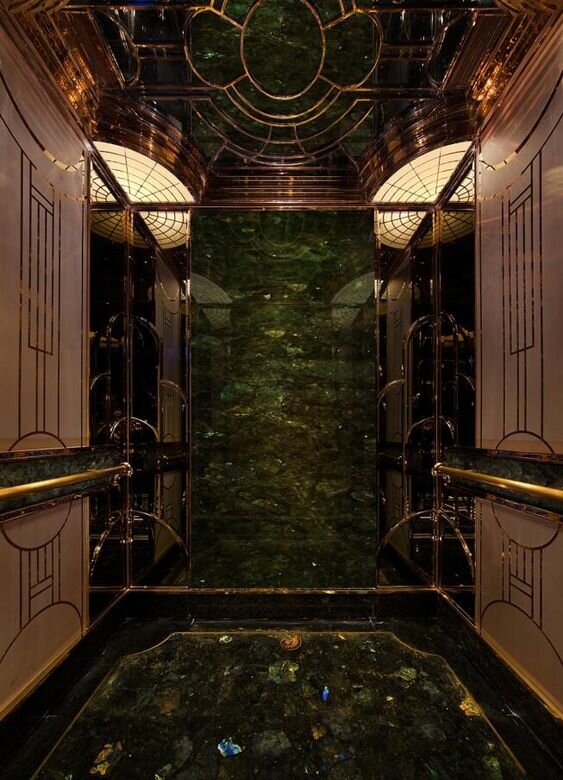


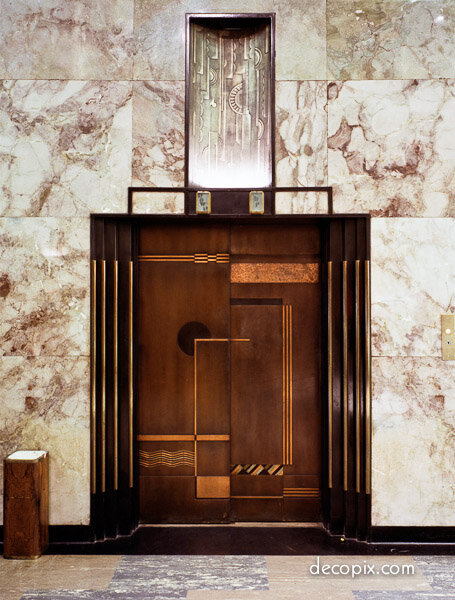


The Richfield Tower is a prime example of a 1920s Art Deco building located in the heart of downtown Los Angeles. The building, which served as the headquarters for the Richfield Oil Company, is known for its intricate details and opulent design. Recently, archive photos and records were discovered that provide a glimpse into the luxurious design of the building's elevators.