

Blog Highlights
Featured projects in our architecture section include Olafur Eliasson's first building and his moving light elevator, Louis Vuitton's double-helix glass elevator, and Thomas Heatherwicks Vessel in New York City.

The Kasumigaseki Building, also referred to as the National Education Center is situated in Chiyoda district in Tokyo. As Japans first skyscraper, the distinguished building stands out for its architectural brilliance and massive height along with innovative building technologies.

The State of Illinois Center, one of America’s most debated public buildings has inspired and outraged citizens and critics since its opening in 1985. Designed by architect Helmut Jahnan, the James R. Thompson Center was completed almost only 35 years ago is in threat of being destroyed.

Local firm Solomon Cordwell Buenz has conceived a glass elevator shaft to rise up the corner of a 346-metre-high skyscraper in Chicago. The all glass shaft along the exterior will house a pair of double-deck panoramic elevators giving the city an exciting new ride.

Gran Hotel Ciudad de México is a unique luxury boutique hotel set in the heart of Mexico City, on the historic Zocalo square. This spectacular art-nouveau building features an immense stained-glass Tiffany ceiling, designed by the French artisan Jacques Gruber, a Louis XV style chandelier in the lobby, and beautiful wrought-iron railings on the first three floors.

Built on Treaty One territory, in the Forks historic site in Winnipeg, Manitoba, the Canadian Museum for Human Rights stands as a monument to Canada’s pursuit of equal human rights for all. Completed in 2014, and designed by Architect Antoine Predock, its spiralling design takes visitors on an upward journey, progressing from ground to sky, dark to light, to a viewing platform and panoramic view of the sky, city and the natural realm beyond.

Rem Koolhaas' stacked and staggered public library is an eleven story monument to public space and level transition in downtown Seattle. Celebrated for its brilliant planning, the architects solution for an urban library has more to do with exploration than it does books and records.

Artist Olafur Eliasson has completed his first building named Fjordenhus in Denmark. The playful building is the headquarters of Kirk Kapital, which is the holding and investment company for Lego family wealth fund. The one of a kind building is entered from the quay by a footbridge that leads into a circular public space. The open area features three of the artist’s sculptures and a mirrored ceiling piece that reflects the light of the fjord back into the occupied public space.

Entering Restoration Hardwares massive New York store, guests will discover a soaring central atrium with a high-speed glass elevator as the central showpiece that transports visitors up to the skylit rooftop park. “It wasn’t the internet that killed retail stores; it was a lack of imagination and investment,” explains CEO Gary Friedman.

Elevator design is not something many people think of. Even professional architects, urban planners and designers overlook their significance to modern buildings and cities as a whole. Over the past decade our team of vertical transportation specialists has worked to elevate the narrative around these little spaces in a big way.
READ MORE

Heatherwick Studio’s new ultra-luxury residence in the heart of Singapore's Admore Draycotta Area is a tranquil vertical palace of natural beauty. With an abundance of sensuous spaces, the building blossoms out of the city into a soaring vertical landscape.

An invitation from the worlds leading architect splashed Frank Lloyd Wrights name across newspaper headlines around the globe in the summer of 1956. The Mile High Building written in bold black ink and Wrights signature Red Square dominated a full page spread hailing the public to a press conference where Wright himself would unveil the design for a supertall skyscraper in Chicago.

Staged with bold black panels along the main wall, the Assembly Room was furnished with custom Wrightian ottomans along with long plywood tables. Throughout the room other notable projects were put on display as part of the Sixty Years of Living Architecture exhibition showcasing the vast and capable work of the accomplished architect.

Unpacking all the inscriptions Wright included in the drawings, one will find that the project is not just the design of a building, but a history of architecture. From the Great Pyramids and Eiffel Tower to the Empire State Building, Wright was placing The Illinois in the timeline of grand monuments.

In addition to being one of the most innovative architects of his day, Wright also dabbled as an urban planner. He saw design of modern cities as posing a serious problem; they were dense communities overly populated with people who didn’t have enough space to live fulfilling lives. While the other modernists like Corbusier and Mies van der Rohe were masterplanning dense urban cities and cookie-cutter towers of glass and steel, Wright was envisioning a broad utopian countryside with pockets of soft density spaced out between urban forests and agricultural land.
The Kasumigaseki Building, also referred to as the National Education Center is situated in Chiyoda district in Tokyo. As Japans first skyscraper, the distinguished building stands out for its architectural brilliance and massive height along with innovative building technologies.

In 1922, Russian architect El Lissitzky designed a revolutionary new type of skyscraper called the Cloud Iron Towers. These towering structures were intended to be built in Moscow, and were designed to be plugged directly into the city's transportation system.
Local firm Solomon Cordwell Buenz has conceived a glass elevator shaft to rise up the corner of a 346-metre-high skyscraper in Chicago. The all glass shaft along the exterior will house a pair of double-deck panoramic elevators giving the city an exciting new ride.

The only realized skyscraper by Frank Lloyd Wright, debatably the most important architects of the 20th century, is one of only two vertically oriented structures by the notoriously landscape hugging architect, the other is the S.C. Johnson Wax Research Tower in Racine, Wisconsin.

Designed by American architect Frank Lloyd Wright for Herbert F. "Hib" Johnson, the building was constructed from 1936 to 1939 as the headquarters of the Johnson Wax Company. The 14-story Johnson Wax Research Tower, completed shortly after (1944–1950) includes some of Frank Lloyd Wrights only known elevators.

Step into the elevators at Stockholm’s newly opened Stadshotell and you’re greeted not by stainless steel, but by luminous intarsia panels crafted by artist Klara Knutsson. Roses bloom in wood grain, cranes tilt above rooftops, and Stockholm’s skyline unfolds in marquetry transforming a silent cab ride into a moment of theatre. In a hotel defined by understated craft and minimalism, these elevators remind us that even the most everyday journey can carry the weight of culture and story.
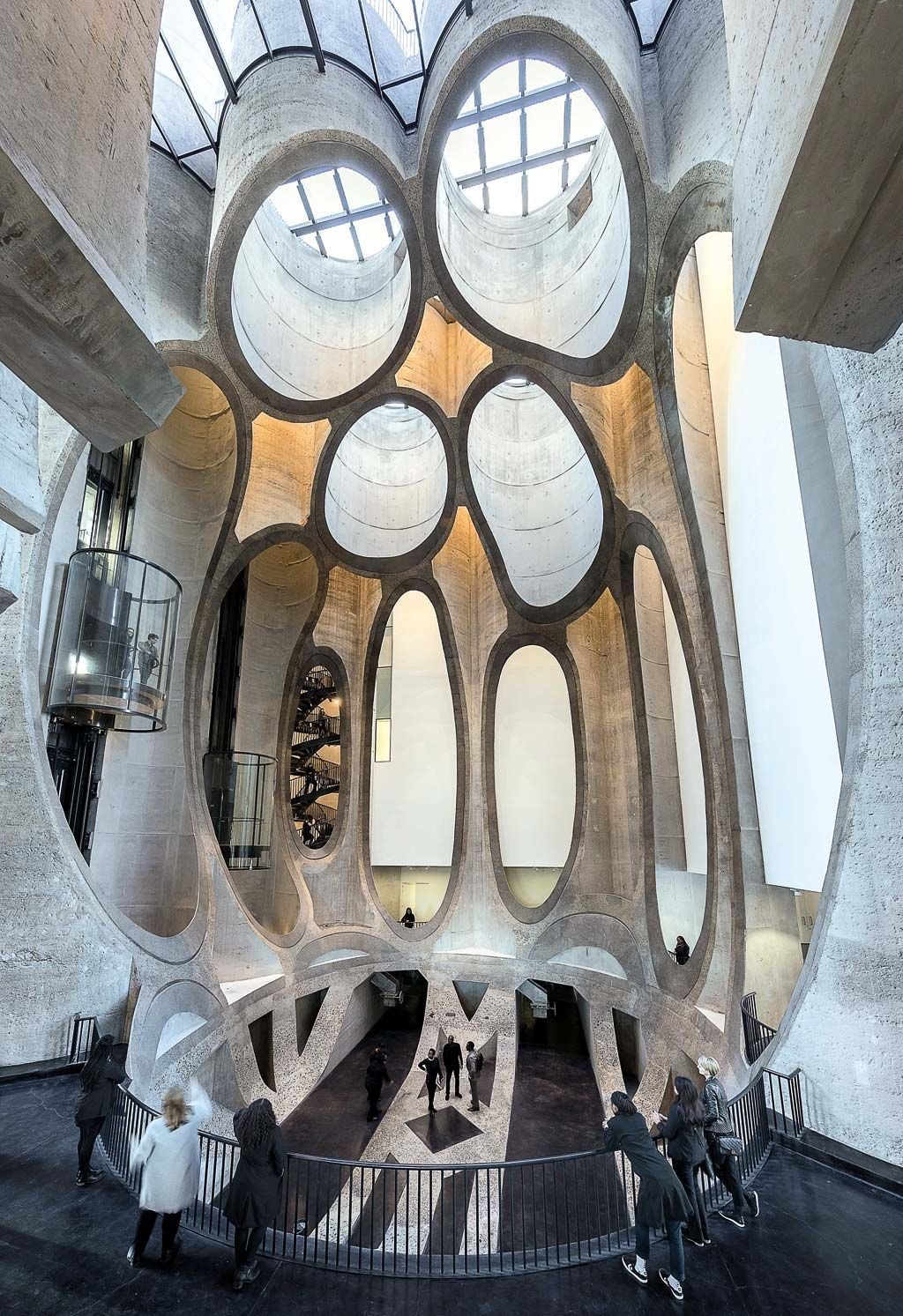
Experience the magic of the Museum of Contemporary Art Africa (MOCAA) elevators by Heatherwick Studio. These custom glass elevators celebrate the historic silos, reinventing the vertical journey. With transparency and interplay of light, they offer captivating views and a revitalized museum visit. Discover how Heatherwick's innovative design creates a transcendent experience, merging art and architecture in a mesmerizing way. Step into the MOCAA elevators and be transported to a world where history and modernity seamlessly intertwine.

Louis Vuitton's Fall/Winter 2011 runway show featured vintage elevators as the backdrop, paying homage to the brand's roots in luxury luggage and the grand era of travel. The elevators were 19th century wrought iron birdcage elevators, with an elegant and exclusive atmosphere.
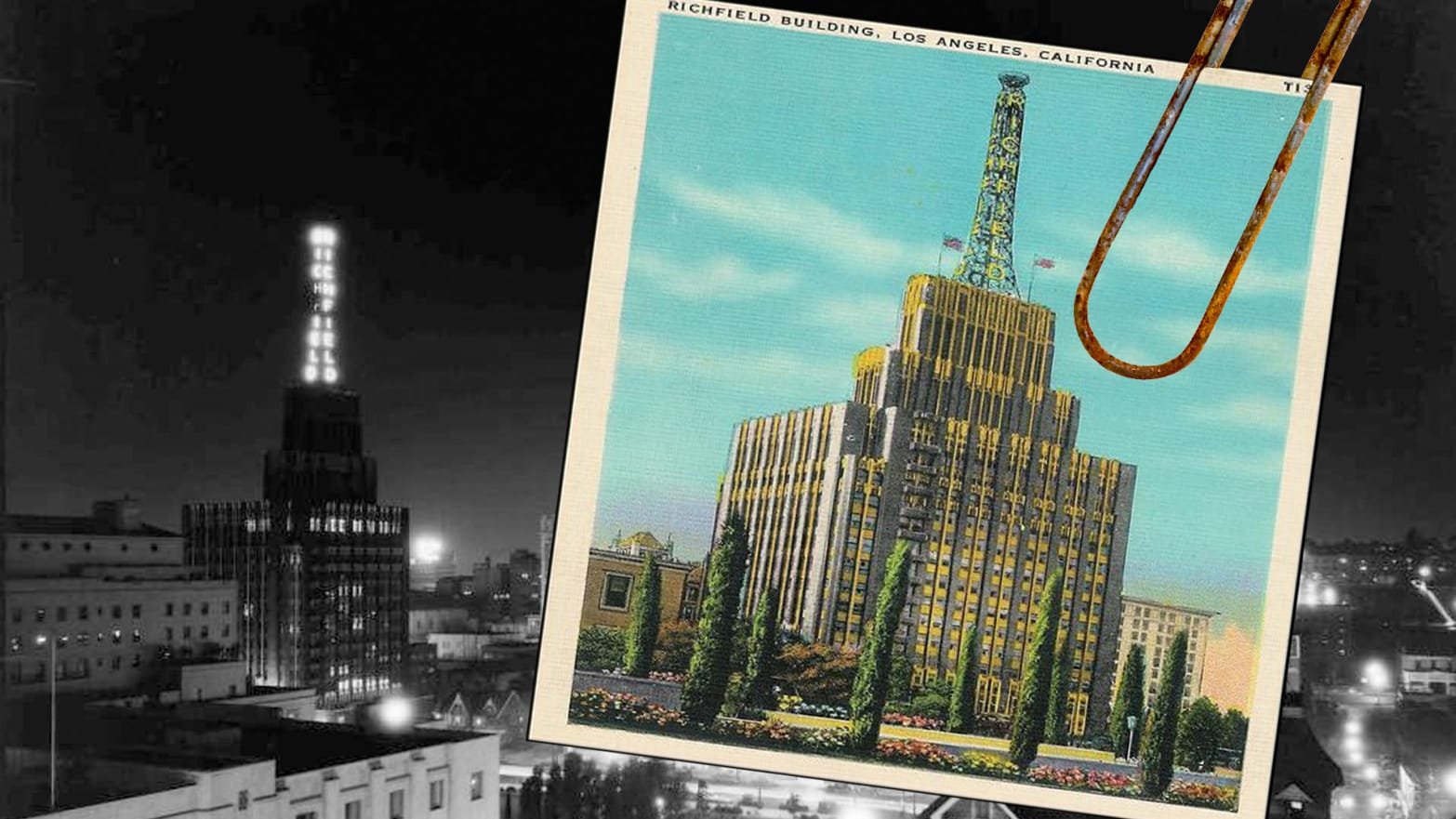
The Richfield Tower is a prime example of a 1920s Art Deco building located in the heart of downtown Los Angeles. The building, which served as the headquarters for the Richfield Oil Company, is known for its intricate details and opulent design. Recently, archive photos and records were discovered that provide a glimpse into the luxurious design of the building's elevators.

Frank Lloyd Wright's design for Crystal City was a visionary concept for a vertical city, comprising of interconnected skyscrapers and underground spaces. The renderings of this unbuilt project, brought to life by architect David Romero, show a complex of interconnected buildings that would have risen high above the city, connected by a network of elevators and internal highways.

Le Dokhan's, Paris Arc de Triomphe is a luxury hotel located close to the iconic Arc de Triomphe. Guest rooms, restaurant, bar, fitness center and exceptional service are offered but what makes this hotel truly unique is its elevator cab, made from a vintage Louis Vuitton steamer trunk, adding luxury and nostalgia to guest experience. Perfect choice for luxury travelers visiting Paris.

Elevators are an essential component of modern buildings and designing an elevator cab interior involves a combination of functionality, safety, and aesthetics. From defining the purpose of the elevator to choosing materials and colors, lighting, adding safety features, wayfinding, branding, and considering the overall aesthetic. It's important to test and evaluate the design, regular maintenance and attention to details.

Elevator rides at Disney World and Disneyland are a type of theme park attraction that involve passengers riding in an elevator-style vehicle to a specific destination, often with a theme or storyline incorporated into the ride experience. These attractions can range in intensity and thrill level, and may be suitable for riders of all ages or may have height or age restrictions.

Ancient elevators such as Archimedes' typically consisted of a wooden platform or box drawn by hemp ropes through a vertical open shaft and powered by men or animals operating a capstan. These devices were used primarily to lift heavy loads such as water or building materials.

Alex Begin of Bloomfield Hills, Michigan loved visiting the downtown J.L. Hudson store in Detroit as a child with his parents. The highlight for him was the over 50 elevators that serviced the 33 levels located on Woodward Avenue. Begin loved watching the elevator operators delivering patrons to their desired floors.
Staged with bold black panels along the main wall, the Assembly Room was furnished with custom Wrightian ottomans along with long plywood tables. Throughout the room other notable projects were put on display as part of the Sixty Years of Living Architecture exhibition showcasing the vast and capable work of the accomplished architect.